

Why Your Gas Water Heater Won’t Heat Water Despite Good Flame
You’re standing in your shower waiting for hot water that never comes, yet you can hear your gas water heater running with what sounds like a perfectly good flame. This frustrating scenario leaves many Ontario homeowners scratching their heads, especially when the obvious culprit, lack of ignition, isn’t the problem.
The reality is that a visible flame doesn’t guarantee your water heater is functioning properly. Several mechanical issues can prevent heat transfer from the burner to your water supply, leaving you with cold showers despite what appears to be normal operation.
Thermocouple and Gas Control Issues
A faulty thermocouple ranks among the most common causes of this problem. This safety device detects your pilot flame and signals the gas valve to remain open. When it becomes dirty, bent, or worn out, it may not generate sufficient voltage to maintain proper gas flow to the main burner. Even though you see flames, the system isn’t receiving the right signals to heat effectively.
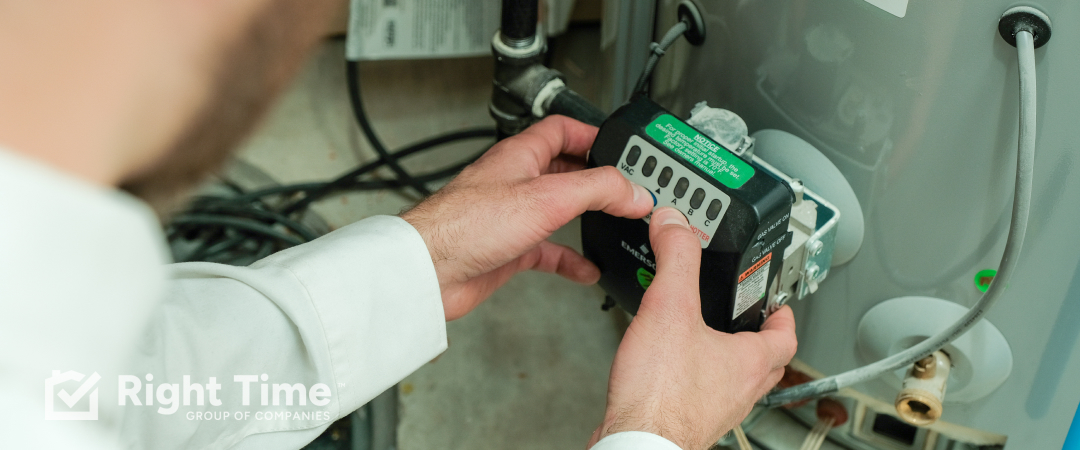
If the issue points to a flame-sensing or gas control problem, it’s best handled by a licensed technician. Gas components and safety controls should not be adjusted or cleaned as a DIY fix. Your gas control valve or thermostat could also malfunction, preventing proper cycling even when flames are present. If you suspect a control or temperature-setting issue, note what you’re seeing and share it with a technician. Avoid adjusting gas appliance controls yourself unless your manufacturer’s instructions clearly describe a homeowner-safe setting change.
Sediment Buildup and Ventilation Problems
Homeowner OK vs Pro Only
Homeowner-safe steps include confirming other gas appliances are working, noting any error indicators (if your unit has them), and documenting when the issue happens (for example, only during high demand). Pro-only work includes anything involving gas controls, flame-sensing components, burner service, venting checks, and tank flushing.
Sediment accumulation presents a significant challenge, particularly in hard water regions across Ontario. Minerals settle at the tank bottom, creating an insulating barrier between your burner flames and the water above. The flame burns normally, but heat transfer becomes severely compromised.
Sediment buildup can reduce heat transfer over time. Flushing a tank involves hot water and valves that can leak or fail, so it’s often safest to have this done as part of professional maintenance. A heavy buildup can also appear alongside corrosion or wear inside the tank. A technician can check the anode rod and the overall tank condition to determine what’s causing the problem. Venting or airflow problems can also affect performance, even when a flame is present. Because venting relates to combustion safety, don’t attempt to inspect or clear flues or vents yourself. If you notice unusual odours, soot-like staining, repeated shutdowns, or signs of backdrafting, turn the system off and book service.
A defective dip tube represents another possibility. This component directs incoming cold water to the tank bottom for heating. When cracked or broken, cold water mixes with heated water, resulting in lukewarm output throughout your home. Low gas pressure can also create deceptive flame appearance while providing insufficient heat for proper water heating.
Keep Your Water Heater Running Smoothly
If your gas water heater isn’t heating water despite a good flame, it’s crucial to address the issue promptly. At 669 Heat, located in Sudbury, Ontario, our experts can diagnose and repair any problems with your water heater efficiently. We offer comprehensive water heater repair in Sudbury to ensure you never face unexpected cold showers again. If you’re still getting cold or lukewarm water despite a visible flame, a service call can identify the root cause and prevent bigger issues.